Plant biology
Study plant structures, growth, propagation, soil, and relationships within the garden. Develop observation and fair-comparison habits.
 Talitha CumiGIRLS IN RURAL KENYAFor partners
SCIENCE / THE URBAN ROOFTOP HERBAL GARDEN
A living classroom.
A garden of her own ideas.
Girls in rural Kenya explore an urban growing challenge: design, cultivate, and care for a rooftop herbal garden. Plant biology meets systems thinking, smart agricultural tools, and the creativity to grow something meaningful.
Small growing spaces.
Big connections.
01 / A GARDEN IS A CONNECTED SYSTEM
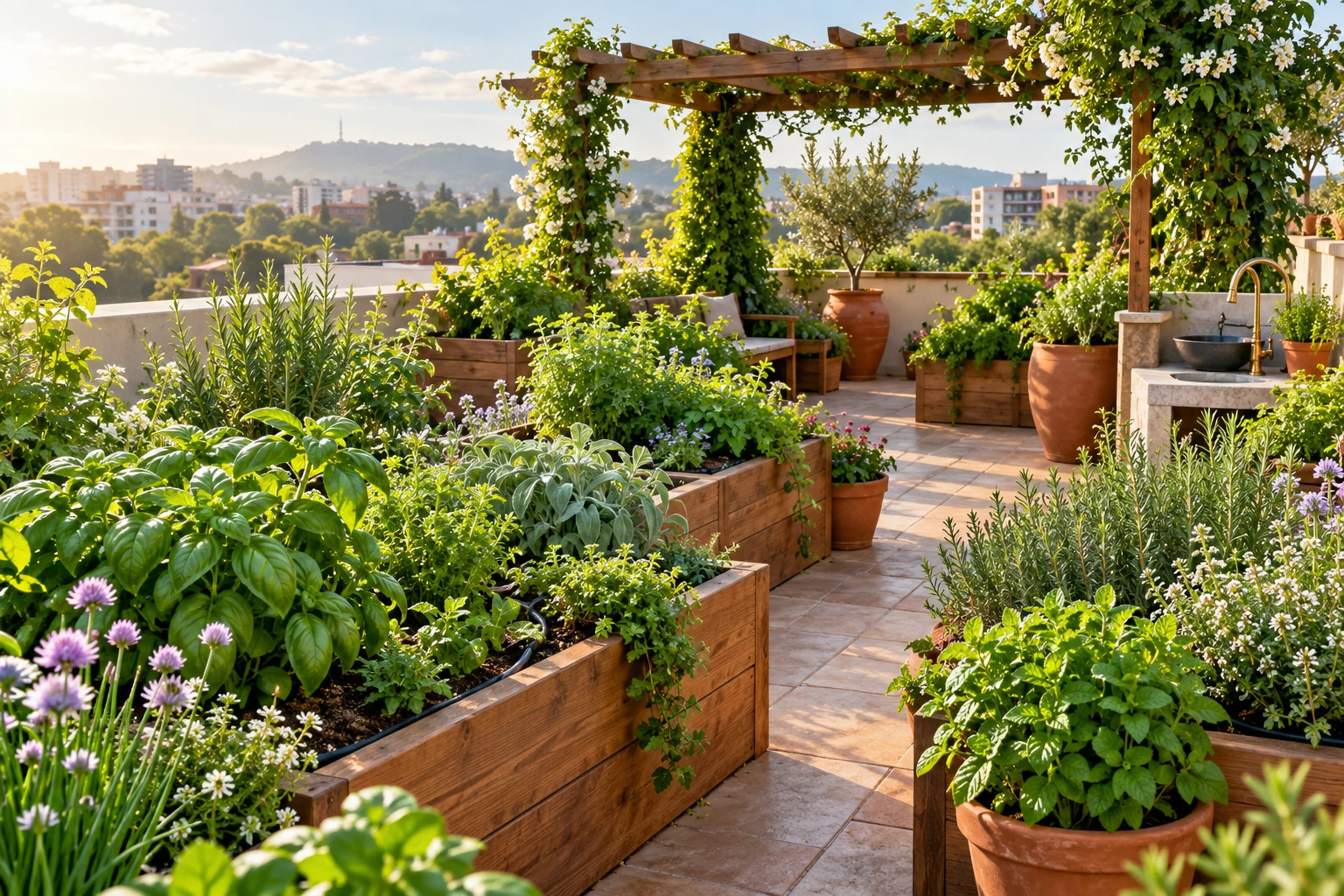
Roots, soil, water, sunlight, technology—and the people who care for them.
Through student-centered, guided instruction, learners ask their own questions, choose a teacher-approved herb, and take responsibility for its growth. They plant, maintain, measure, compare, and reflect, learning how one change can affect the rest of the system.
The urban rooftop focus opens a conversation about growing in limited space. Its lessons can travel into container gardens, schoolyards, and community spaces in rural Kenya. A Kenyan educator and horticultural advisor will adapt herb choices, seasons, materials, and growing methods to the local setting.
A rooftop is a proposed learning setting, not a confirmed facility. Qualified professionals must assess structure, drainage, access, and edge protection before use. Ground-level beds or tabletop models can support the same learning goals.
02 / TWO PATHWAYS, SHARED ROOTS
Choose an age pathway, then explore the year. Both begin in the garden; the older pathway adds guided herbal wellbeing and artisan learning.
“Over 13” is interpreted as ages 14 and older. Thirteen-year-old learners continue the garden-science foundation; workshop participation is based on age, interest, readiness, and guardian consent, never on physical development.
The sequence is a proposed enrichment model. Plant growth and harvest timing depend on locally selected species and conditions; activities can move with the season.
03 / SCIENCE THAT CONNECTS STEAM
Each discipline contributes to one living project. Girls use the evidence from their own growing space to make the next decision.
Study plant structures, growth, propagation, soil, and relationships within the garden. Develop observation and fair-comparison habits.
Explore sensors for soil, light, temperature, and humidity. Compare sensor readings with physical observations and record data.
Technology pathway ↗Design, build, and test a low-voltage irrigation model using an open-source hardware approach, such as Arduino-based learning tools.
Try the logic model ↗All ages create botanical drawings and garden signs. The older pathway adds plant-inspired product concepts, packaging, and storytelling.
HER-forming Art ↗Measure growth, compare water use, chart readings, and interpret patterns. Explain what the numbers can—and cannot—tell us.
Mathematics pathway ↗04 / TRY THE SYSTEMS THINKING
Change the inputs in this classroom model. Discover why a useful automated system needs more than a single sensor reading.
These are relative teaching indices, not universal soil-moisture percentages or growing recommendations.
THE MODEL’S RESPONSE
In the real project, students calibrate sensors, check plants and soil, and test a supervised low-voltage prototype. A model rule does not replace horticultural judgment.
05 / TEEN EXTENSION · AGES 14+
Older girls who choose this strand learn with guided, age-appropriate instruction from planned guest practitioners, teachers, authors, and artisans.
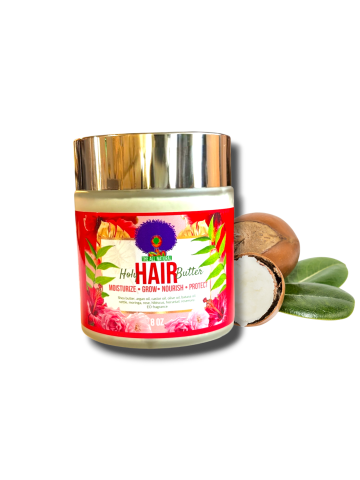
Traditional herbal remedies and healing recipes are studied as cultural knowledge and evidence-literacy topics. Herbal products can cause unwanted effects or interact with medicines, and “natural” does not automatically mean safe. Demonstrations require qualified adult review, guardian consent, and ingredient/allergy checks; any ingestion or skin use needs appropriate health-professional review. No student is asked to self-treat, prescribe, or replace medical care. NCCIH guidance ↗
Grow the garden.
Restore the village.
A shared space for belonging, curiosity, and care.
06 / COMMUNITY IS PART OF THE CURRICULUM
Educational content, guided services, and community events will create space for sisterhood, self-discovery, and intergenerational learning. Family stories and shared learning strengthen a sense of belonging.
For older teens, conversations about the sacred feminine and divine nature can become respectful reflections on dignity, identity, creativity, and mind–body–spirit wellbeing. Participation honors each learner’s and family’s beliefs.
The All Natural is a holistic lifestyle, beauty, and wellness brand whose stated vision includes “restoring the sacred feminine.” Its botanical teas and hair- and skin-care products sit alongside learning and community experiences.
Explore the brand’s own description ↗The program plans to connect older learners with industry voices in self-care, herbalism, and artisan work, including the perspective of The All Natural. Guest participation and delivery arrangements will be announced when confirmed.
07 / NURTURE THE NEXT STEP
Dedicated students with a passion for herbal gardening, permaculture, and artisan practice may be invited to prepare an application for Oregon State University’s Permaculture Design Course Scholarship.
The program will support portfolio building, research, and application preparation. This is an external opportunity decided by OSU, with limited places; an invitation to prepare does not guarantee eligibility or an award.
View OSU’s course & scholarship details08 / WHAT SHE CAN SHOW
Assess the starting point, review progress, and compare final demonstrations. These are intended learning outcomes, not achieved impact figures.
A plant study, labelled observations, and an explanation grounded in evidence.
A garden map, sensor record, tested irrigation model, and a revision log.
Maintenance responsibilities, team decisions, and a student-led garden presentation.
For the 14+ strand: a sourced botanical study, a reviewed artisan concept, and a reflection on care and cultural knowledge.
09 / SOURCES & LEARNING REFERENCES
The curriculum is our proposed local learning design. These primary references inform its tools, opportunities, and age-appropriate framing.
An accessible electronics platform with an open-source approach to cross-curricular learning. Hardware selection and availability are to be confirmed.
About the platform ↗Official Permaculture Design course information, scholarship prerequisites, and application timing.
Course & scholarship route ↗Guidance on natural products for children and teens, evidence gaps, unwanted effects, and medicine interactions.
Read the guidance ↗The brand’s own account of its botanical products, community focus, and philosophy.
Read the brand’s description ↗Research-informed herb-growing guidance. Oregon examples require local adaptation rather than direct transfer to Kenya.
Garden vegetables & herbs ↗Rooftop gardening considerations include structural capacity and professional assessment. Local site requirements govern delivery in Kenya.
Rooftop considerations ↗Reference pages reviewed October 2026. References do not establish a delivery partnership, certification, medical efficacy, or secured scholarship. Organic principles are learning topics; no organic certification is claimed for the proposed garden or student products.
Her hands in the garden.
Her ideas taking root.